
Roots in drains are a common problem in houses with gardens or, more generally, in buildings with large trees around them. Especially near drains, roots can enter more often and regular checks are required on pipes located in the yard or in the garden with intense vegetation. In this article, we will see why roots are attracted to drain pipes, how we can prevent the problem, in what professional ways it is treated and which trees require special attention due to their aggressive root system.
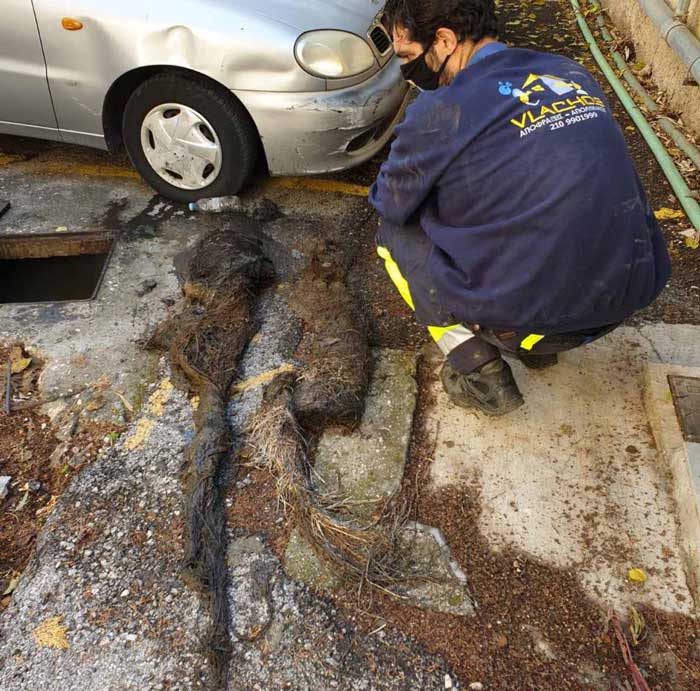
Why roots enter the pipes
Tree roots are constantly searching for water, oxygen, and nutrients to grow. In drought conditions, roots may go deeper into the soil in search of moisture. Sewer pipes, especially those with small cracks, poorly sealed joints, or made of fragile materials, are an ideal source for their needs. Once a root locates a tiny leak, it will extend toward it and eventually penetrate the interior of the pipe, where it finds an abundance of water and nutrients.
The roots in the sewer, inside the pipe, do not remain dormant. They grow and create a dense network that resembles hair. This network acts as a trap, holding and accumulating various wastes, such as grease, toilet paper and other materials, gradually leading to a complete blockage of the pipe. Also, as the roots grow and press against the walls of the pipes, they can cause significant damage, such as cracks, breaks or even complete collapse of the pipe, resulting in costly repairs.
What are the most common signs that I have roots?
- Water in sinks, bathtubs or showers drains very slowly.
- The same sewer line experiences repeated blockages, every few months.
- When the toilet bowl is emptied, bubbles are heard or there is suction in other drains (e.g. in the bathroom sink).
- There may be an unpleasant odor from the sewer points.
- You may notice that a particular tree or shrub is particularly green and developed compared to other plants because it is feeding on the waste that leaks from where the root entered the pipe.
- Also, some unexplained puddles with a lot of vegetation in the garden.
Professional treatment for roots in the drain
When the roots have already penetrated the drain pipes, the need for professional intervention becomes necessary. Chemical unblocking is usually prohibited in such cases, as there is a risk of destroying the tree and further damaging the pipe. Our professional technicians follow a methodical process:
Diagnosis with a sewer camera

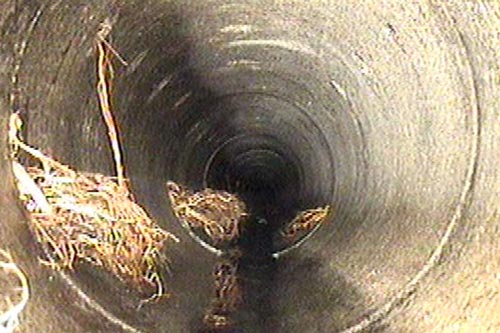
The first step is always to accurately identify and assess the problem. The technician inserts a special high-definition camera into the sewer network , which allows him to see the inside of the pipes in real time. Through this process, he can locate the exact location and extent of the blockage, identify existing damage (cracks, breaks) and arrive at the best treatment method.
Hydro-Jetting Cleaning
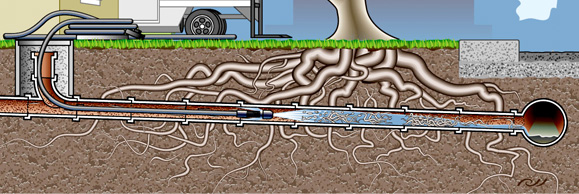
The most common and effective method for removing roots is to use a pressure washer . This technique uses water under very high pressure, which is sprayed into the pipe through special nozzles. The force of the water cuts and washes away the roots, completely cleaning the pipe. This is a safe method for pipes, as no chemicals or mechanical tools are used that could cause damage.
Mechanical removal with root-cutting mechanisms
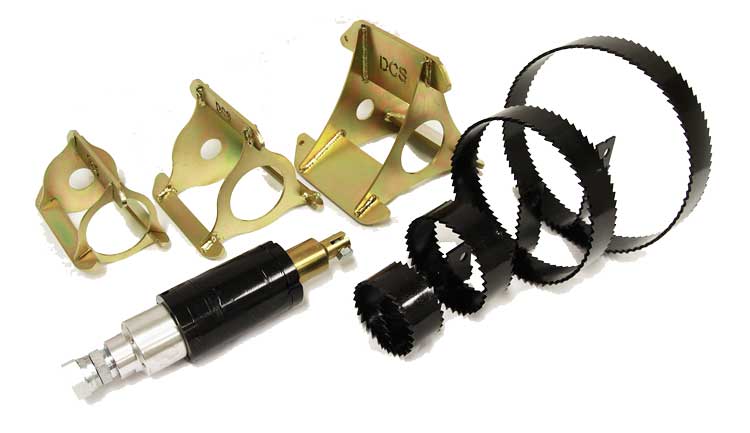
In cases of very dense or hard blockages, the use of an electromechanical auger (commonly known as a “snake”) may be necessary. This device has a rotating head with cutting blades, which cuts and removes the roots mechanically. This method is particularly useful when the roots have created a strong and impenetrable network inside the pipe.
Preventive measures for roots in the drain
The best strategy for managing roots in drains is prevention. Taking preventative measures can save significant time, money, and hassle in the future.
The most effective way to prevent this is to properly position trees in the garden. When designing your outdoor space, it is vital to consider the distance of trees from the sewer system. Tree species with non-aggressive root systems should be selected for planting near pipes and species known to invade pipes should be avoided.
Clay or ceramic pipes, found mostly in older installations, are particularly vulnerable to roots, as they can easily penetrate them. Replacing them with modern pipes made of polyvinyl chloride (PVC) or polyethylene (PE) can offer significantly greater protection, as these materials are more durable and less likely to corrode or crack.
A sewer camera inspection is essential to see the true extent of the intrusion. This inspection can reveal any problems, such as small cracks or the first signs of root invasion, before they cause a serious blockage. Modern technology allows for real-time monitoring of the condition of pipes, providing a clear picture of their internal structure without the need for excavation.
Spacing is key . A general rule of thumb is that trees should be planted at least one mature tree height away from any building or critical infrastructure (such as pipes). For large trees like plane trees and poplars, this means several feet.
Trees with aggressive roots in the drain
Root growth is one of the most common causes of damage to sewer pipes, especially in older installations with ceramic or cement pipes that have joints. It is good to know which tree species have aggressive root systems. Some of the most common trees that require attention should be planted a long distance from pipes and foundations. Below is a list of trees in Greece that are known for invading pipes due to their large or aggressive root systems.
High-risk trees
- Maples , especially the widespread Canadian Maple ( Acer negundo ), have powerful and aggressive roots that actively seek moisture. Drain pipes are a magnet for them.
- Poplars have extensive, shallow root systems that can extend for many meters. They are very aggressive in their search for water and are notorious for the damage they cause to paving stones and pipes .
- The fig tree , although a relatively small tree, has incredibly strong roots that can break even stone walls. If there is a water leak nearby, its roots will immediately follow.
- The classic Greek plane tree is a huge tree with correspondingly huge roots. While it is not always the most aggressive, the size and extent of its root system can easily press on and damage pipes in its path.
- Willows are probably the most dangerous tree in terms of their roots. They naturally grow near water and their roots grow relentlessly towards any source of moisture. Do not plant willows near sewer systems.
Medium risk trees
- The olive tree has a strong and extensive root system, but is usually less aggressive than the trees on the high-risk list. However, in search of water it can cause problems.
- Cypress trees have a dense, shallow root system. While not the most aggressive, its spread can put pressure on pipes.
- Even pine trees , which seem harmless, can have roots that extend far, capable of lifting sidewalks and pressing on pipes.
Dealing with roots in sewage systems is an issue that requires preventive action, professional discipline and knowledge of the natural environment. The correct selection and placement of plants, timely inspection of infrastructure and the immediate intervention of specialized technicians are the main elements for a sustainable and problem-free operation of the sewage network in the exterior areas of buildings.